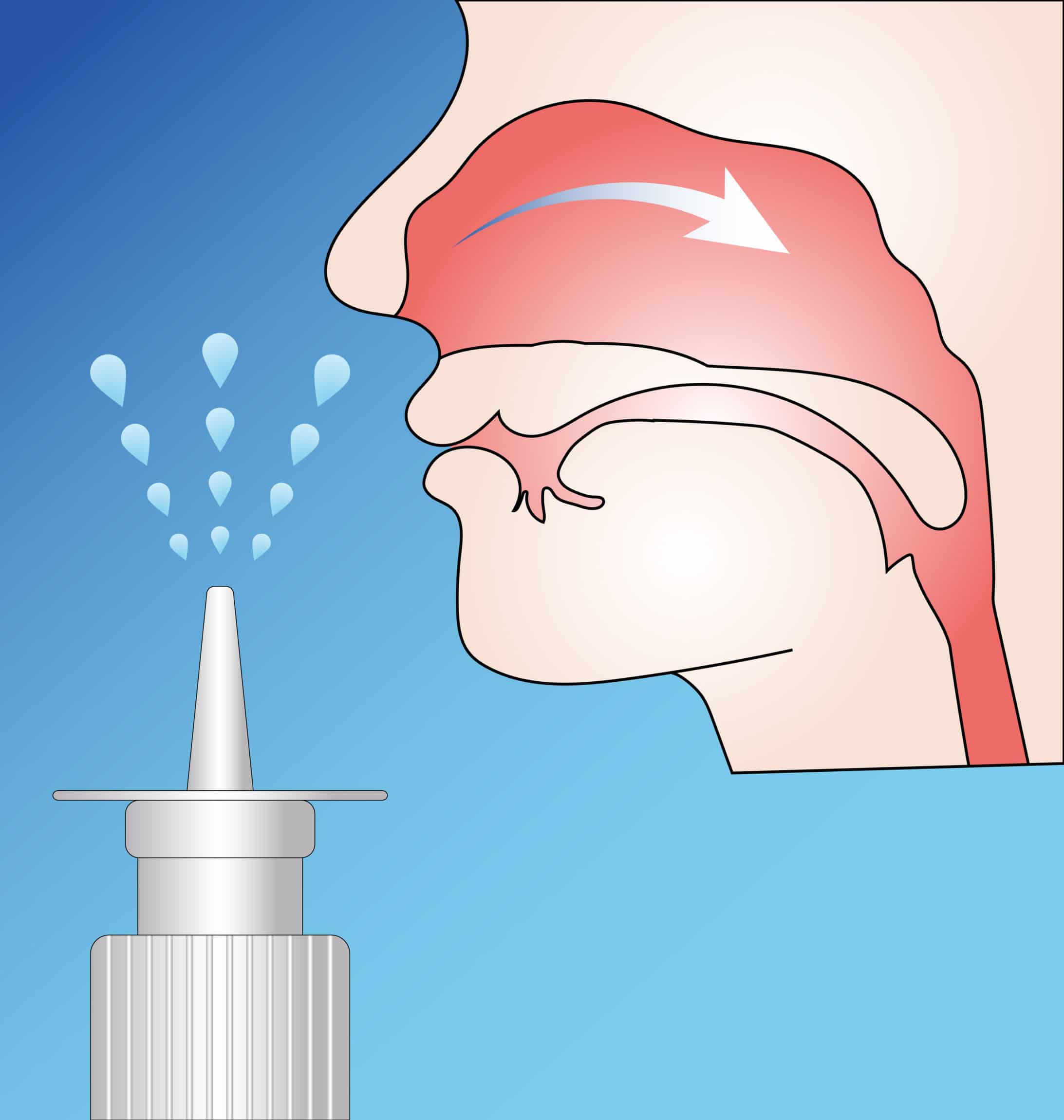
Use of intranasal steroids for rhinitis and sinusitis delivered directly to the nasal mucosa have been a mainstay of treatment for allergic rhinitis and chronic rhinitis for decades. Nasal spray delivery systems have been used for over 30 years. Basically, steroids are potent anti-inflammatory medications and did decrease a number of symptoms associated with nose allergies and irritation of the nasal membrane that can occur with sinus infections.
You may recognize some of the formulations are available for nasal steroid use. These include Flonase and Nasacort. These are available over-the-counter. The decision of the FDA to allow these medications to be available as an over-the-counter product underscores belief in their safety. However, patient should be aware of certain side effects. These include headache, nosebleeds, burning and irritation. It is known that small amounts of the steroid are absorbed into the bloodstream.
Clearly these may affect the patient’s own steroid hormone levels. A patient using high doses of intranasal steroid in combination with steroids used to treat asthma with inhalational delivery systems will more frequently be associated with alterations in the patient’s own steroid levels.
Overall intranasal steroids represent an important class of medication in treating inflammation of the nose due to allergies and chronic infection. They are more potent than antihistamines in decreasing symptoms such as congestion, excessive mucus and sneezing. If patients are using any form of saline irrigation, we recommend using the nasal steroid after irrigating.